
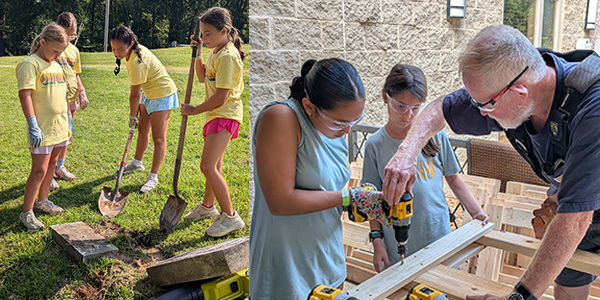
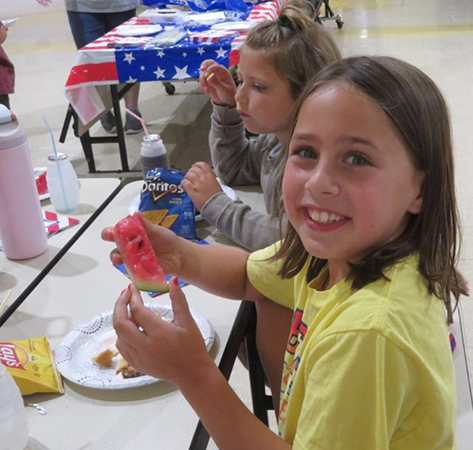
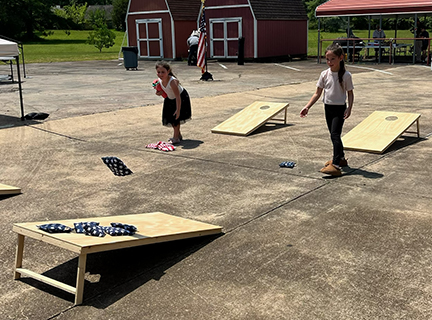
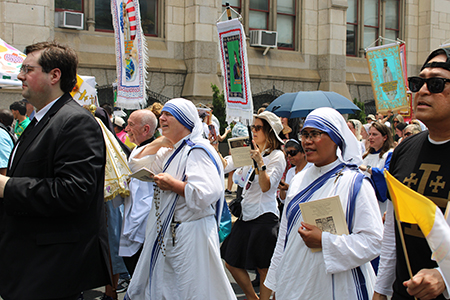
Summer activities at St. Jude parish
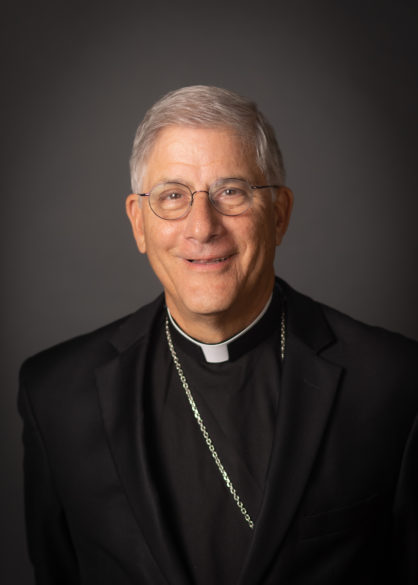
Por Obispo Joseph R. Kopacz, D.D.
La excomunión promulgada por el Papa León XIV contra los obispos ordenantes y recién ordenados por la asociación de San Pío X (SSPX) ha llamado la atención de muchos, dentro como fuera de la jurisdicción de la Iglesia Católica.
Este es un capítulo triste cuya historia comenzó inmediatamente después de la conclusión del Concilio Vaticano II en 1965. En ese momento, el arzobispo Marcel Lefebvre fundó la Sociedad de San Pío X, un grupo que se opuso a muchos de los cambios inaugurados por el Concilio, especialmente en lo que respecta a la liturgia, el ecumenismo, la disciplina eclesiástica y el Desarrollo auténtico de la doctrina.
Durante los siguientes 20 años, hubo un compromiso considerable y diálogo fraternal con el liderazgo de la SSPX, pero fue en vano. El 30 de junio de 1988, el arzobispo Lefebvre ordenó a cuatro obispos sin la aprobación del Papa San Juan Pablo II, quien respondió inmediatamente con un decreto de excomunión. El Santo Padre continuó con la Carta Apostólica “Ecclesia Dei ” que abordaba el grave asunto del cisma provocado por las acciones rebeldes de Lefebvre.
El Papa San Juan Pablo II escribió: “Este acto en sí mismo fue de desobediencia al Pontífice Romano en un asunto muy grave de suma importancia para la unidad de la Iglesia, como la ordenación de obispos, por la cual la sucesión apostólica se perpetúa sacramentalmente. Por lo tanto, tal desobediencia, implica en la práctica el rechazo de la primacía romana, que constituye en un acto cismático.”
También declara enfáticamente: “Deseo hacer un llamamiento solemne y sincero, paternal y fraternal, a todos aquellos que hasta ahora han estado vinculados de diversas maneras al movimiento del arzobispo Lefebvre, para que puedan cumplir con el gran deber de permanecer unidos al Vicario de Cristo en unidad con la Iglesia Católica, y de cesar su apoyo de cualquier manera a ese movimiento. Todos deben ser conscientes que la lealtad al cisma es una grave ofensa contra Dios y conlleva la pena de excomunión decretada por la ley de la Iglesia.”
El Papa San Juan Pablo II siguió su Carta Apostólica en 1988 con una respuesta pastoral e histórica al cisma con la creación de la Fraternidad Sacerdotal de San Pedro. Esta Sociedad Clerical de la Vida Apostólica fue creada como un puente para aquellos que, en buena conciencia, estaban comprometidos con la Misa tradicional en latín, pero al mismo tiempo deseaban permanecer en la Iglesia Católica. En sus propias palabras, “elegimos a San Pedro como nuestro patrón especial para expresar la gratitud, el amor y la lealtad al Sumo Pontífice.” En 1993, el obispo James C. Timlin de la Diócesis de Scranton, Pensilvania, invitó a la Fraternidad a establecer su centro en Norteamérica en la diócesis donde tienen su lugar hasta el día de hoy. La Fraternidad Sacerdotal de San Pedro y la Sociedad de San Pío X no deben confundirse con una sola y misma.
El Papa Benedicto XVI levantó la prohibición de excomunión contra la sociedad de San Pío X en 2009 con la esperanza de que pudieran reconciliarse con la Iglesia Católica al estilo de la Fraternidad Sacerdotal de San Pedro. Como cardenal Ratzinger, el Papa Benedicto había trabajado de cerca con el liderazgo de la Sociedad de San Pío X, y ahora, como Santo Padre, deseaba profundamente sanar la relación fracturada.
Sin embargo, la siguiente generación de liderazgo, siguió el ejemplo de su fundador, el arzobispo Lefebvre, siguiendo, siendo un cuerpo desafiante. Casi 40 años después, el papa León XIV se encuentra en las mismas aguas cismáticas que el papa San Juan Pablo II tuvo que navegar en 1988.
En la mencionada carta apostólica, el Papa San Juan Pablo II expresó su pesar por los intentos fallidos de reconciliación. “Esta aflicción fue especialmente sentida por el Sucesor de Pedro, a quien primero que nada le pertenece la protección de la unidad de la Iglesia.”
Sin duda, este es el mismo dolor del Papa León por esta división más reciente en el Cuerpo de Cristo. Recuerda que su llamado es In illo uno, unum, o En Aquel que es Uno, somos uno.
Incluso más que la mayoría de los papas, el carisma particular del papa León XIV es la unidad de la Iglesia. Como agustino, su escudo papal contiene un corazón atravesado por una flecha que reposa sobre la Biblia. Sin duda, su corazón está herido por las decisiones cismáticas de la SSPX y la excomunión que sigue. Recordemos que, bajo la Palabra de Dios, escuchamos la oración eterna del Señor por la unidad en la Última Cena, “para que todos sean uno.” (Juan 17:21) Esto es vinculante para todos los que son miembros fieles del cuerpo del Señor, la Iglesia.
Por Joanna Puddister King
FLOWOOD – Cincuenta años después de que un joven sacerdote irlandés llegara a Misisipi y comenzara a darse cuenta de que el inglés del sur y el inglés irlandés no siempre eran la misma lengua, el padre Gerry Hurley celebró su jubileo de oro rodeado de su familia, feligreses y compañeros sacerdotes que lo habían acompañado en este camino.
La iglesia estaba llena el 12 de junio, cuando más de dos docenas de sacerdotes concelebraron una misa de acción de gracias para conmemorar el 50.º aniversario de la ordenación sacerdotal del padre Hurley en la iglesia católica de San Pablo, en Flowood.
Entre los más de dos docenas de sacerdotes concelebrantes se encontraban otros clérigos nacidos en Irlanda que habían formado parte de la larga tradición de sacerdotes misioneros irlandeses en Misisipi, incluidos sacerdotes jubilados de la Diócesis de Jackson y sacerdotes que prestan servicio en la Diócesis de Biloxi.
Su presencia sirvió como un recordatorio de la influencia misionera irlandesa que dio forma a la Diócesis de Jackson durante décadas.
Miembros de la familia del padre Hurley viajaron desde Irlanda para la celebración, uniéndose a feligreses y amigos para conmemorar este hito.
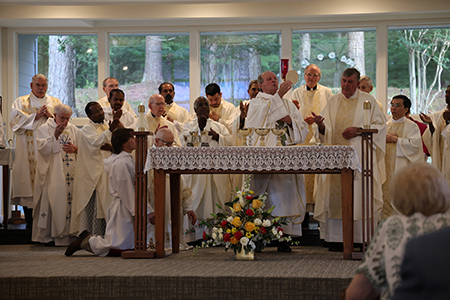
La fecha tenía un significado especial. El padre Hurley fue ordenado el 12 de junio de 1976 en la iglesia de San Patricio en Bandon, condado de Cork, Irlanda, para la Diócesis de Natchez-Jackson, por lo que la celebración del aniversario se realizó exactamente 50 años después de su ordenación.
Hoy en día, es el último sacerdote nacido en Irlanda que sigue en activo en la Diócesis de Jackson.
“Recuerdo haber asistido a un 50.º aniversario hace 25 años y pensé para mis adentros: “Esos tipos son viejos””, dijo el padre Hurley durante su homilía, lo que provocó las risas de la congregación. “Y ahora yo soy viejo”.
Cuando el padre Hurley llegó a Misisipi en 1976, los sacerdotes nacidos en Irlanda constituían una parte significativa del clero que prestaba servicio en toda la diócesis.
“Cuando llegué en 1976, la mayoría de nuestros sacerdotes eran de Irlanda”, recordó. “Y ahora contamos con nuevos sacerdotes indios nacidos en el extranjero. Hacen un trabajo magnífico y estamos muy contentos… Como último de los irlandeses que llegué en una época de transición para nuestra Iglesia, sé que está en muy buenas manos con ustedes, hermanos”.
En muchos sentidos, ese momento reflejó el cambio que ha vivido la Iglesia y del que el padre Hurley ha sido testigo a lo largo de su ministerio: los sacerdotes misioneros de Irlanda dieron paso a las vocaciones locales y a misioneros de todo el mundo que continúan la labor en Misisipi.
El obispo Joseph R. Kopacz reflexionó sobre esa continuidad en sus comentarios tras la misa.
“El Señor enseñó a los discípulos que un buen escriba en el reino puede acudir al almacén y sacar lo mejor de lo antiguo y lo mejor de lo nuevo”, dijo el obispo. “Creo que eso describe muy bien al padre Gerry”.
El obispo también elogió el don del padre Hurley para la vida comunitaria y su extraordinaria capacidad para recordar nombres.
“No sé si hay sacerdotes con mejor memoria para los nombres que el padre Gerry”, dijo el obispo Kopacz. “Ha aprendido a preguntar “¿Quién es tu mamá?” y todo eso –muy al estilo sureño”.
La familia del padre Hurley ofreció su propia visión del sacerdote que habían conocido mucho antes de que Mississippi lo conociera, compartiendo recuerdos de un niño en Irlanda que anunció desde muy temprana edad que tenía la intención de convertirse en sacerdote.
“Intentó dedicarse a la cirugía”, bromeó una de sus hermanas durante sus comentarios después de la misa. “Pero la paciente –mi muñeca– no sobrevivió. La cirugía no fue un éxito”.
Su propia trayectoria comenzó en la ciudad de Cork, Irlanda, donde nació el 25 de enero de 1952. Estudió en el Carlow College antes de ser ordenado para la Diócesis de Natchez-Jackson y llegar a Misisipi más tarde ese mismo año.
Su primer cargo fue como vicario en la parroquia de San Pablo en Vicksburg, donde pronto descubrió que adaptarse a la vida en Misisipi implicaba algo más que un simple cambio de lugar.
“Un sábado por la noche, una señora mayor se me acercó después de la misa y me dijo: “Padre, me encanta escucharlo hablar”. Me dijo: “No lo entiendo, pero me encanta escucharlo hablar””, recordó, provocando las risas de los presentes. “Me ha llevado casi 50 años aprender a hablar correctamente de nuevo”.
Durante las siguientes cinco décadas, el ministerio del padre Hurley lo llevaría por toda la Diócesis de Jackson, prestando servicio en San José en Greenville, como director diocesano de jóvenes, en San Ricardo en Jackson, San José en Starkville, la Anunciación en Columbus, San Judas en Pearl y, finalmente, San Pablo en Flowood, donde ha prestado servicio desde 2010.
San Pablo se ha convertido en su asignación más prolongada –más larga, señaló, que cualquier lugar en el que haya vivido durante su infancia en Irlanda–.
“Qué lugar tan maravilloso para pasar ese tiempo”, dijo. “Les agradezco a todos por su bienvenida y su apoyo a lo largo de los años”.
Para el padre Hurley, las lecturas elegidas para la misa reflejaban la esencia del ministerio sacerdotal y el discipulado.
En el Evangelio, Jesús le pregunta a Pedro tres veces: “¿Me amas?”, antes de encargarle que apaciente a sus ovejas.
“Jesús no le pregunta a Pedro: “¿Te arrepientes?”, ni le pide que nunca vuelva a fallar”, dijo el padre Hurley. “Le pregunta: “¿Me amas?”. Porque para Jesús, el fundamento del ministerio es el amor a Cristo y el cuidado de su pueblo”.
Tras cinco décadas de sacerdocio, el padre Hurley sigue agradecido por la vocación que lo llevó a cruzar el Atlántico y por las personas que han caminado a su lado.
“Después de 50 años, estoy agradecido por todo lo que Dios me ha dado y por las abundantes bendiciones que me ha concedido a través de cada uno de ustedes y de los muchos otros que nos han precedido”, dijo.
Al concluir la celebración, la congregación se unió para cantar “Irish Blessing”, despidiendo al sacerdote que llegó desde el condado de Cork a Misisipi hace 50 años hacia el siguiente capítulo de su ministerio con las palabras que desde hace mucho conectan a ambos lugares que ahora considera su hogar:
“Que el camino se levante para recibirte. Que el viento siempre sople a tu favor.”
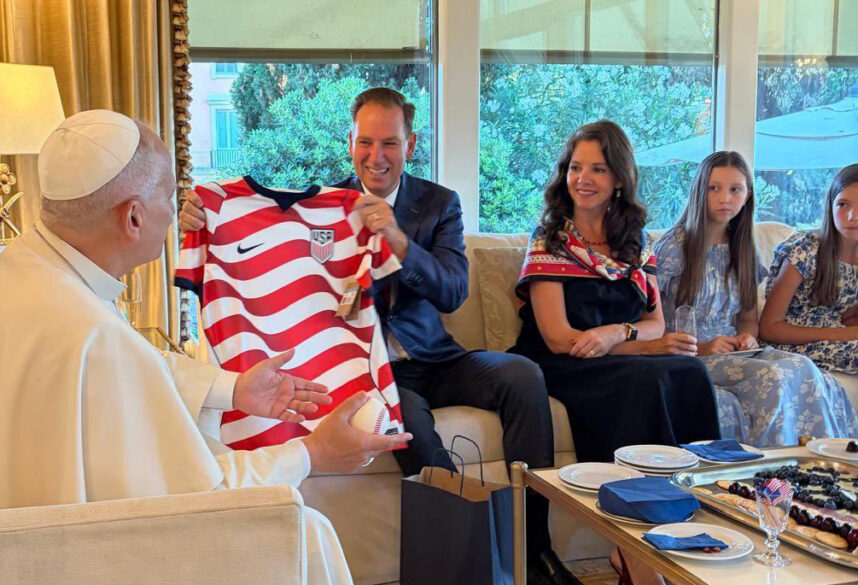
(OSV News) – Tras pasar la mañana rezando por los migrantes en la isla de Lampedusa, Italia, el Papa León XIV celebró el 250.º aniversario de la firma de la Declaración de Independencia de Estados Unidos junto al embajador de EE.UU. ante la Santa Sede y su familia.
“Es un gran honor para mí celebrar este día tan especial con un compatriota estadounidense y el obispo de Roma”, afirmó el embajador Brian Burch en una publicación en X.
Otras publicaciones en X publicadas desde la cuenta de la embajada estadounidense en la Santa Sede indicaban que el embajador y el Papa León “hablaron del audaz liderazgo del presidente Trump y de los esfuerzos estadounidenses por promover la paz y la libertad religiosa, así como de la necesidad de claridad moral y valentía en todo el mundo”.
También señalaban que el Papa León había recibido “una camiseta de la selección de Estados Unidos para el Mundial, una pelota de béisbol conmemorativa de Freedom 250 y una tarta de manzana casera” de parte de la familia Burch, según la publicación.
En un mensaje dirigido a los periodistas, la Oficina de Prensa de la Santa Sede confirmó el 4 de julio la visita, afirmando que “tras aceptar una invitación del embajador de Estados Unidos ante la Santa Sede, el Santo Padre visitó la residencia del embajador la tarde del sábado 4 de julio, con motivo de la fiesta nacional”.
En el hilo de la publicación se añadía que el Papa León había confirmado durante la visita que anima a la selección de Estados Unidos durante este mundial.
Por Courtney Mares
LAMPEDUSA, ITALIA (OSV News) – El Papa León XIV viajó a la pequeña isla italiana de Lampedusa el 4 de julio; allí depositó un arreglo floral en las tumbas de los migrantes que se ahogaron al intentar llegar a Europa y celebró una Misa al aire libre, en la que exhortó a los católicos a ser buenos samaritanos y ofrecer compasión a quienes sufren al emprender la peligrosa travesía por mar.
“No he venido a pronunciar discursos, sino a celebrar la Eucaristía, signo supremo de la presencia de Cristo entre nosotros. El gesto de Jesús de partir el pan para entregarse a sí mismo da sentido y fuerza a nuestros actos cotidianos de ayuda y de compartir”, dijo el Papa León a la multitud antes de celebrar la Misa en una explanada con vistas al puerto principal de Lampedusa.
“Pero los gestos, para ser humanos, requieren un corazón. Por eso nos hemos reunido aquí: para recibir de Cristo el amor que solo Él puede darnos, a fin de que el mundo de hoy y de mañana sea más humano, para todos”.
–La peligrosa travesía de los migrantes–
Desde hace años, Lampedusa es una de las principales puertas de entrada a Europa para los migrantes que cruzan el Mediterráneo desde Túnez y Libia, una travesía que se ha cobrado miles de vidas.
En abril, la Guardia Costera italiana recuperó 19 cadáveres y rescató a 58 personas tras interceptar una embarcación precaria en dificultades a unas 80 millas náuticas al sur de Lampedusa, según informó Associated Press. El pasado mes de agosto, una embarcación que transportaba a cerca de 100 migrantes volcó en aguas internacionales cerca de la isla, causando la muerte de al menos 26 personas.
Durante su homilía, el Papa León describió los mares que rodean Lampedusa como “un camino peligroso, como el que bajaba de Jerusalén a Jericó” en la parábola del Buen Samaritano, narrada en el Evangelio de Lucas.
“El mar se ha quedado con los otros, aquellos que no han conseguido llegar a donde esperaban. Sin embargo, sentimos su presencia, que nos interpela tanto como la de aquellos que han desembarcado, necesitados de atención y ayuda”.
–En recuerdo de los fallecidos–
El Papa llegó a la isla, situada más cerca de la costa del norte de África que de la Italia continental, poco antes de las 9 de la mañana. Su primera parada fue un cementerio, donde depositó flores sobre las tumbas de migrantes fallecidos en el mar. A continuación, visitó la “Porta d’Europa” (Puerta de Europa), un monumento de la isla, donde caminó de la mano de niños migrantes en aquella ventosa jornada estival.
Unos 14.000 migrantes llegaron a las costas italianas durante los primeros seis meses de 2026, según el ACNUR. Cerca del 60 % de esa cifra llegó a Lampedusa, una isla que apenas abarca unos 20 kilómetros cuadrados (unas 8 millas cuadradas).
Desde allí, el Papa se dirigió al muelle Favaloro, donde bendijo una placa que dedicaba el muelle al difunto Papa Francisco y saludó a un grupo de migrantes acompañados por la Cruz Roja, antes de celebrar la Misa ante unos 4.000 asistentes.
“He venido a agradecerles, hermanos y hermanas de Lampedusa, por la proximidad que muchos entre ustedes han decidido ejercitar”, dijo el Papa a la multitud durante la Misa. “Ha sucedido una vez más el milagro de la compasión… una revolución interior que hace brotar en nosotros el ‘sentir’ de Dios y ensancha los pensamientos, el corazón y la vida”.
–Un momento importante para rezar–
Entre los asistentes a la Misa papal se encontraba Giuseppe Capizzi, de 24 años, quien viajó durante ocho horas en un transbordador nocturno junto a unas 70 personas de su parroquia de San Francisco en Canicattì, Sicilia, para asistir a la Misa con el Papa.
“Llevaba mucho tiempo esperando este día y estoy absolutamente emocionado”, declaró Capizzi a OSV News.
El padre Mikolaj Dobosz, de Varsovia, Polonia, recorrió una distancia aún mayor para estar presente en la Misa.
El sacerdote polaco, que ha dedicado los últimos años a acoger en su parroquia a madres y niños refugiados ucranianos, expresó que consideraba este un momento importante para rezar junto al Papa por los migrantes y por las personas que sufren.
“En Polonia trabajamos mucho con migrantes, no provenientes de África o de Oriente Medio, sino principalmente de Ucrania. Trabajo con niños de Ucrania y me alegra mucho rezar con el Papa por las personas que sufren”, declaró el padre Dobosz.
Uno de los pocos estadounidenses presentes en la Misa papal celebrada el Día de la Independencia de Estados Unidos fue el padre Daniel Groody, profesor de teología en la Universidad de Notre Dame y miembro del Dicasterio para el Servicio del Desarrollo Humano Integral del Vaticano.
“El Papa, especialmente ahora en el 4 de julio, está señalando en qué consiste la verdadera libertad. La verdadera libertad radica en la capacidad de amar”, declaró el padre Groody a OSV News.
“Creo que él continúa la tradición de la Iglesia, que siempre ha reconocido que todos somos creados a imagen y semejanza de Dios, y que realmente desea resaltar la dignidad que a menudo se ve menoscabada en la sociedad actual”.
–Siguiendo los pasos del Papa Francisco–
La visita del Papa León se produce 13 años después de que el Papa Francisco visitara Lampedusa en julio de 2013, atrayendo la atención sobre la isla al elegirla como destino de su primer viaje fuera de Roma tras su elección como pontífice, en un gesto de solidaridad con los migrantes trasladados clandestinamente desde el norte de África.
La migración ha sido una preocupación constante para el Papa León desde su elección en mayo de 2025. En junio, se reunió con migrantes y organizaciones de ayuda locales en las Islas Canarias, España, otro importante punto de entrada para quienes cruzan desde África, donde instó a los gobiernos a establecer vías migratorias legales y seguras y a reforzar las labores de rescate y asistencia, al tiempo que reivindicaba el “derecho a no tener que migrar”, es decir, el derecho de las personas a permanecer en sus lugares de origen libres de hambre, guerra, persecución y violencia.
“Es un gesto magnífico que el Papa León, al inicio de su pontificado, haya decidido venir aquí a Lampedusa, tal como hizo el Papa Francisco, para reconocer que la Iglesia debe estar siempre en las periferias”, afirmó el padre Groody.
“La Iglesia debe acompañar siempre a quienes luchan por llevar una vida más digna y resaltar la importancia del vínculo entre fe y justicia, un elemento verdaderamente esencial de nuestra fe”.
–’Todos tenemos en Dios un puerto seguro’–
La visita del Papa León XIV a Lampedusa tuvo lugar un día después de que pronunciara un discurso virtual ante una asamblea en el Centro Nacional de la Constitución de Filadelfia, que le otorgó la Medalla de la Libertad 2026 por su labor en la promoción de la libertad religiosa y la libertad de conciencia. En dicho discurso, habló con vehemencia sobre la importancia del “derecho a la vida” desde la concepción hasta la muerte natural.
En su homilía en Lampedusa, el Papa León XIV afirmó que la parábola del Buen Samaritano nos enseña que “el amor está siempre en la libertad y la libertad está en las decisiones”.
Añadió que “antes de cualquier otra consideración intelectual o convicción ideológica, el impacto con quien yace delante de nosotros, despojado de todo, llama a la proximidad”.
“Hay también quien elige no hacerse prójimo”, comentó el Papa, y añadió: “tiempo de reconocer y afirmar que la pertenencia religiosa no debe convertirse jamás en motivo de discriminación, como si la fe tuviera límites y no fuera, en cambio, llamada universal a la salvación”.
(Courtney Mares es editora de asuntos vaticanos para OSV News. Síguela en X en @catholicourtney.cimiento)
NACIÓN
PHILADELPHIA (OSV News) – Al concluir la Peregrinación Eucarística Nacional de 2026, en medio de la celebración del 250.º aniversario de los Estados Unidos, “el camino continúa”, afirmó el arzobispo Nelson J. Pérez de Filadelfia. Y añadió: “Todos caminamos hacia un mismo lugar”, y ese camino conduce al amor de Dios, “poderoso, ransformador y vivificante”. El arzobispo fue el celebrante principal y pronunció la homilía en la liturgia de clausura de la peregrinación, que tuvo lugar el 5 de julio en la Catedral Basílica de San Pedro y San Pablo en Filadelfia, la penúltima parada de la ruta de la peregrinación. Al inicio de la misa, el papa León XIV –el primer papa nacido en Estados Unidos– se dirigió a los fieles mediante un mensaje de video pregrabado, en el que señaló que la “sólida, aunque en gran parte desconocida, herencia eucarística” de la nación «debe seguir sirviendo como fuente tanto de renovación como de unidad». La peregrinación llegó a Filadelfia el 2 de julio, tras haber recorrido la mayor parte de las 13 colonias originales del país –abarcando 18 diócesis y arquidiócesis, así como dos eparquías católicas orientales– desde su inicio el 24 de mayo. A pesar de la ola de calor que se vive, los peregrinos recorrieron a pie una ruta de procesión eucarística de dos millas después de la misa del 5 de julio, dirigiéndose al Santuario Nacional de San Juan Neumann para la bendición. La “presencia perdurable” del “cuerpo, la sangre, el alma y la divinidad” de Cristo en el sacramento del altar fue ofrecida como un “regalo” que reúne a los fieles, dijo el arzobispo Pérez durante su homilía en la catedral. “Nos transforma. Nos conquista”.
VATICANO
CASTEL GANDOLFO, Italia (OSV News) – El papa León XIV ha llegado a la residencia papal de verano en Castel Gandolfo, donde pasará casi tres semanas descansando, rezando y leyendo antes de regresar al Vaticano el 27 de julio. Su regreso revive una tradición papal centenaria que se había interrumpido bajo el pontificado del papa Francisco, quien optó por permanecer en el Vaticano y convirtió la residencia en un museo. La finca, ubicada en la cima de una colina a unas 15 millas al sureste de Roma, ha servido como refugio de verano papal desde 1626, cuando el papa Urbano VIII se alojó allí por primera vez. La propiedad de Castel Gandolfo abarca más de 135 acres, incluyendo 74 acres de jardines y 62 acres de tierras de cultivo, además de tres residencias. Antes de partir de Roma, el Papa León también pidió oraciones por intercesión del recién beatificado Francisco Javier Truong Buu Diep y recordó en sus oraciones a las víctimas del terremoto y al pueblo de Venezuela. “Sigo recordando en mis oraciones a las víctimas del terremoto y a todo el pueblo venezolano”, dijo. “Que el Señor los sostenga en este momento de gran dificultad”, agregó.
MUNDO
MANAGUA, Nicaragua (OSV News) – Según informes, otro obispo nicaragüense ha desaparecido tras ser detenido por la policía, lo que intensifica la preocupación por el trato que el gobierno dispensa a la Iglesia católica. El obispo Juan Abelardo Mata fue detenido el 29 de junio, un día después de celebrar la misa en Estelí y pedir a los fieles que oraran por la Iglesia perseguida. El Ministerio del Interior de Nicaragua afirmó en un comunicado del 4 de julio que el obispo, de 80 años, “ha regresado a su casa, donde se encuentra en perfectas condiciones”. Sin embargo, observadores de la Iglesia y la abogada exiliada Martha Patricia Molina afirmaron que nadie cercano a él lo havisto. “Hasta que la dictadura no presente al obispo emérito Juan Abelardo Mata sano y salvo en su casa, cualquier comunicado que emitan es una mentira”, dijo Molina en una publicación en X. Ella y otras personas también informaron que el padre Francisco Morales fue detenido y que se desconoce su paradero. El Departamento de Estado de EE. UU. condenó lo que calificó como la detención arbitraria del obispo Mata y renovó sus críticas al gobierno de Ortega-Murillo por persecución religiosa. El caso pone de relieve años de presión sobre la Iglesia de Nicaragua, que incluyen arrestos, exilio, restricciones al ministerio y ordenaciones bloqueadas. Más de 300 sacerdotes, religiosos y seminaristas, junto con cuatro obispos, viven actualmente en el exilio, según Molina.
CIUDAD DE MÉXICO (OSV News) – Mientras México organizaba el Mundial de 2026 junto con Estados Unidos y Canadá, la fe se convirtió en parte de la historia del torneo. Los aficionados llenaron la Catedral Metropolitana de la Ciudad de México vestidos con camisetas verdes, rezaron ante un Niño Jesús ataviado con la indumentaria de la selección nacional e hicieron “mandas” –o votos sagrados– pidiendo a Dios y a Nuestra Señora de Guadalupe el éxito futbolístico. El sueño de México terminó el 5 de julio con una derrota por 3-2 ante Inglaterra en su partido de octavos de final, pero la trayectoria del equipo desató grandes celebraciones y renovó el orgullo nacional. Los líderes de la Iglesia elogiaron la unidad y la esperanza que rodearon el torneo, al tiempo que instaron a los mexicanos a no ignorar problemas más profundos, como la violencia y la crisis de las aproximadamente 135 000 personas desaparecidas en el país. El padre jesuita Jorge Atilano dijo que el Mundial ha sido tanto una celebración como una distracción de los desafíos de México. Para muchos católicos, la imagen de un Niño Jesús con los colores de México plasmó una convicción familiar: la fe y el fútbol a menudo se unen en la misma oración.
RIPLAY – Sábado, 25 de julio, de 8:30 a 12:00 Taller (en español) en St. Matthew, para quienes estén interesados en la música litúrgica y, en general, en aprender sobre los servicios de culto católicos. ¡Todo el mundo es bienvenido!
Vírgenes, Santos y
Días Festivos
San Apolinar.
Dia de la Independencia de
Columbia.
20 de julio
San Marcos, Evangelista.
21 de julio
Santa María Magdalena.
22 de junio
Santa Brigida.
23 de julio
San Santiago, Apóstol.
25 de julio
Natalicio de José Celsa Barbosa, Puerto Rico.
27 de julio
Nuestra Señora de la Paz
América Latina Dia da la
Independencia de Peru.
28 de julio
Santos Marta, María y Lázaro
29 de julio
La Transfiguración del Señor.
El Santo de la Salud, Puerto Rico.
Día de la Indopendencia de
Bolivia.
6 de agosto
Envíenos sus fotos a
editor@jacksondiocese.org
Síganos en Facebook:
@DiócesisCatólicadeJackson
Únase a lista de correos electrónicos
Mande un texto:
MSCATHOLIC a 84576
LÍNEA DIRECTA DE
PREVENCIÓN DE FRAUDE
El Departamento de Asuntos Temporales de la Diócesis de Jackson ha contratado a Lighthouse Services para proporcionar una línea directa anónima de fraude financiero, cumplimiento, ética y recursos humanos. Esta línea directa permite un método adecuado para reportar sucesos relacionados con la administración temporal dentro de parroquias, escuelas y la oficina de cancillería.
www.lighthouse-services.com/
jacksondiocese
Hispanohablante USA:
800-216-1288
Por Paulina Guzik, OSV News
(OSV News) – El Vaticano ha declarado a la Fraternidad Sacerdotal San Pío X (SSPX) “en cisma” después de que este grupo tradicionalista consagrara a cuatro obispos sin mandato papal, lo que marca la ruptura más grave en la Iglesia desde las consagraciones episcopales no autorizadas del arzobispo Marcel Lefebvre en 1988.
En una medida sorprendente, el Vaticano también declaró inválidos los sacramentos de la penitencia y el matrimonio si se celebraban dentro de la fraternidad cuyos adherentes son a veces conocidos como lefebvristas.
El decreto también señaló: “Se advierte a los clérigos y a los fieles laicos que no se adhieran al cisma de la Fraternidad Sacerdotal San Pío X, ya que incurrirían ipso facto en la pena de excomunión latae sententiae”.
En un caso en que la historia se repite tras la excomunión en 1988 del fundador de la sociedad junto con cuatro obispos a quienes él consagró sin mandato papal, el Vaticano excomulgó el 2 de julio a cuatro obispos de la FSSPX consagrados sin la autorización del Papa en el seminario de la sociedad en Écône, Suiza, junto con dos obispos que dirigieron la celebración litúrgica del 1 de julio.
A pesar de las advertencias dirigidas al Superior General de la FSSPX, el obispo Alfonso de Galarreta dirigió la liturgia de consagración el 1 de julio, acompañado por el obispo Bernard Fellay, y así “cometió un acto de naturaleza cismática mediante la consagración episcopal de cuatro presbíteros, sin mandato pontificio y en contra de la voluntad del Sumo Pontífice”, afirmó el Dicasterio para la Doctrina de la Fe en un decreto del 2 de julio, publicado en italiano.
Los obispos rebeldes, señaló el DDF, “han incurrido ipso facto en una excomunión latae sententiae reservada a la Sede Apostólica”, donde latae sententiae significa “automática” o “por el propio acto” en latín.
Los cuatro obispos de la FSSPX recién consagrados -los padres Pascal Schreiber, Michael Goldade, Michel Poinsinet de Sivry y Marc Hanappier- también fueron excomulgados, señaló el DDF en un documento firmado por el cardenal Víctor Manuel Fernández, prefecto del DDF; el arzobispo John Kennedy, secretario de la sección disciplinaria; y monseñor Armando Matteo, secretario de la sección doctrinal del dicasterio.
Se requiere el mandato apostólico para proceder a las consagraciones episcopales, y la fraternidad no contaba con él para la ceremonia del 1 de julio, un hecho que reconocieron públicamente.
Durante las consagraciones episcopales, el padre Foucauld Le Roux, secretario general de la fraternidad sacerdotal, leyó la declaración en la que la fraternidad “expone las razones que justifican estas consagraciones en las circunstancias actuales de la Iglesia”, afirmando que “las autoridades de la Iglesia están imbuidas de un espíritu contrario al de la Fe y obran contra la Sagrada Tradición”.
El padre Davide Pagliarani, superior general de la sociedad, en su sermón del 1 de julio calificó la consagración como “medios excepcionales, proporcionados a esta necesidad” y en consonancia con el “deber de conservar la fe que la Iglesia siempre ha enseñado”.
Al señalar que “hay quienes podrían considerar que estamos ante un dilema”, el padre Pagliarani afirmó que la FSSPX no eligió “entre la fe y la Iglesia”.
La exposición de motivos que acompañó al decreto del DDF incluía medidas que afectaban tanto a los ministros de la sociedad como a los fieles laicos, precedida por la nota de que desde la época de San Pablo VI “hasta las últimas conversaciones, celebradas recientemente en este Dicasterio, los múltiples intentos por reconducir a los adherentes al movimiento iniciado por monseñor Marcel Lefebvre a la plena comunión con la Iglesia católica han resultado infructuosos”.
Al señalar que “esta situación se ha agravado aún más a causa de las recientes consagraciones episcopales celebradas sin mandato pontificio, en contra de la voluntad del Santo Padre y en abierta violación del derecho canónico”, el dicasterio afirmó que “dicho acto constituye el delito de cisma, con las consecuencias canónicas que ello conlleva para los ministros sagrados y los fieles laicos implicados”.
En un memorándum firmado por el mismo grupo de prelados que el decreto, el DDF afirmó que “los ministros sagrados pertenecientes a la Fraternidad Sacerdotal de San Pío X se encuentran en cisma y, por lo tanto, deben ser considerados cismáticos”, citando la carta de 1988 de San Juan Pablo II “Ecclesia Dei” y la Nota Explicativa de 1996 del Consejo Pontificio (ahora Dicasterio) para los Textos Legislativos sobre la excomunión por cisma incurrida por los adherentes al movimiento del arzobispo Lefebvre (1905-1991).
Según el canon 751 del Código de Derecho Canónico, el cisma es “el rechazo de la sujeción al Sumo Pontífice o de la comunión con los miembros de la Iglesia a él sometidos”.
Según el punto cinco de la Nota Explicativa de 1996, la “excomunión de latae sententiae por cisma afecta a aquellos fieles laicos que ‘se adhieren formalmente’ a dicho movimiento cismático”, señalando que la “adhesión formal al cisma” debe “implicar dos elementos complementarios”. Uno es de “naturaleza interna”, y consiste en “compartir libre y conscientemente la esencia del cisma”, es decir, que seguir el camino del fundador de la FSSPX “se anteponga a la obediencia al Papa”; y el segundo es de “carácter externo”, cuyo signo más evidente será “la participación exclusiva en los actos ‘eclesiales’ lefebvrianos, sin tomar parte en los actos de la Iglesia Católica”.
Según el canonista padre Jan Dohnalik, canciller de la Arquidiócesis de Cracovia, Polonia, la expresión “participación exclusiva” significa que “la participación ocasional de los laicos no implica automáticamente participar en el cisma, pero sí lo hace la elección consciente y permanente de participar en las liturgias de la FSSPX”. Por ejemplo, “si un familiar o amigo del obispo consagrado sin mandato papal simplemente asistiera a esa Misa del 1 de julio, no se encontraría automáticamente en cisma con la Iglesia Católica; pero si decidiera deliberadamente participar en las liturgias de la FSSPX en el futuro, ignorando la autoridad papal del Pontífice Romano, eso sí sería participar en un cisma”.
La extensa lista de documentos relacionados con la FSSPX, que abarca casi cuatro décadas, demuestra el largo proceso del Vaticano para tratar de llegar a un acuerdo con el grupo tradicionalista.
Durante décadas -desde 1988, cuando San Juan Pablo II excomulgó al fundador de la Fraternidad, el arzobispo Lefebvre, y a cuatro obispos consagrados sin mandato papal en su carta apostólica “Ecclesia Dei”-, el Vaticano había buscado diversas formas de reintegrar a los miembros de la FSSPX a la vida de la Iglesia Católica.
El Papa Benedicto XVI levantó las excomuniones de los cuatro obispos en 2009, lo que abrió el camino para conversaciones más regulares.
Durante el Año de la Misericordia 2015-2016, el Papa Francisco estableció disposiciones especiales para validar la absolución otorgada por los sacerdotes de la FSSPX a través del sacramento de la confesión. Una vez concluido el Año Santo, extendió esa disposición “de modo que a nadie le falte el signo sacramental de la reconciliación a través del perdón de la Iglesia”.
En abril de 2017, el difunto pontífice siguió impulsando iniciativas encaminadas a la reconciliación con la Fraternidad Sacerdotal San Pío X (también conocida como SSPX por sus siglas en inglés), al permitir que sus obispos garantizaran la validez de los matrimonios celebrados en las comunidades tradicionalistas.
El obispo Galarreta es la encarnación de la misericordia que el Vaticano ha mostrado desde hace mucho tiempo hacia la FSSPX. Fue consagrado obispo por el arzobispo Lefebvre en 1988 y fue excomulgado por San Juan Pablo II, pero en 2009, el Papa Benedicto XVI declaró la remisión de la excomunión. Y ahora, en 2026, ha sido excomulgado por segunda vez tras dirigir la celebración litúrgica de las consagraciones episcopales el 1 de julio.
Tras la ceremonia del 1 de julio, el Vaticano tomó medidas para extender su decreto a toda la Fraternidad, incluidos los laicos, y declaró que los fieles laicos “que se adhieran formalmente a la Fraternidad Sacerdotal de San Pío X” en las condiciones establecidas en la Nota explicativa del Pontificio Consejo para los Textos Legislativos de 1996 “se considerarán cismáticos y excomulgados”.
La Santa Sede advirtió que “los ministros consagrados de la Fraternidad Sacerdotal San Pío X administran los sacramentos de forma ilícita”, declarando inválidos los sacramentos de la penitencia y el matrimonio administrados por sacerdotes de la FSSPX.
La celebración de la Misa y la confección de la Eucaristía, al ser realizadas por un sacerdote ordenado, siguen siendo válidas, aunque ilícitas. Los sacramentos de la penitencia y el matrimonio requieren una autorización, o facultad, de la que carece la fraternidad.
Según el canon 966 del Código de Derecho Canónico, “para absolver válidamente de los pecados se requiere que el ministro, además de la potestad de orden, tenga facultad de ejercerla sobre los fieles a quienes da la absolución”; a un sacerdote se le puede otorgar esta facultad “tanto ipso iure como por concesión de la autoridad competente”.
Según el canon 1111, “mientras desempeñan válidamente su oficio, pueden delegar a sacerdotes y a diáconos la facultad, incluso general, de asistir a los matrimonios dentro de los límites de su territorio”; en el caso de obispos consagrados sin mandato papal, la autoridad local para otorgar dicha facultad no existe.
El padre Dohnalik señaló que se debe advertir a los fieles de la Iglesia que recibir los santos sacramentos en la Fraternidad Sacerdotal San Pío X “conlleva una amenaza real para la vida de fe, y que sacramentos tan importantes como la penitencia y el matrimonio son simplemente inválidos”.
“La Iglesia, como madre bondadosa, acogerá con sincero afecto y viva solicitud a todos aquellos que deseen volver a la plena comunión”, concluyeron los prelados de la DDF, señalando a los nuncios apostólicos como quienes “establecerán los procedimientos que los Ordinarios podrán utilizar en los distintos casos”.
El canonista destacó en una conversación con OSV News que la medida tomada por el pontífice, cuyo lema episcopal es “In Illo uno unum” -o, literalmente, “En el Uno, somos uno”-, fue un paso muy necesario para la unidad de la Iglesia.
“Precisamente porque la unidad de la Iglesia es tan querida para el corazón del Santo Padre, tuvo que anunciar la amenaza que representa este trágico paso dado por los lefebvrianos”, dijo el padre Dohnalik, y agregó que el Papa estaba actuando “como un buen pastor que no rehúye el peligro, sino que quiere proteger a su rebaño”.
El canonista recordó que, en la fiesta de los santos Pedro y Pablo, el Papa León instó al superior de la sociedad a apartarse del camino de la división y a abstenerse de seguir adelante con el acto cismático “porque desgarrar la Túnica inconsútil de Cristo es un pecado de extrema gravedad”.
“Preocupado por los fieles que tal vez no comprendan el inmenso daño espiritual asociado a la separación de la comunión con el Papa y la Iglesia, el Santo Padre tomó esta medida, triste pero necesaria, de declarar la excomunión, la cual simplemente pone de manifiesto las dramáticas consecuencias de este acto cismático”, declaró el padre Dohnalik a OSV News.
El Dicasterio para la Doctrina de la Fe (DDF) señaló en el memorando que “se exhorta a todos los fieles a permanecer firmes en la comunión con el Romano Pontífice, con los obispos en comunión con él y con toda la Iglesia” y a “abstenerse de participar en las celebraciones y actividades” promovidas por la Fraternidad Sacerdotal San Pío X (FSSPX).
(Paulina Guzik es editora internacional de OSV News. Sígala en X en @Guzik_Paulina)
Por OSV News
(OSV News) – El 1 de julio, la Fraternidad Sacerdotal San Pío X (conocida como FSSPX -o SSPX, por sus siglas en inglés) consagró ilícitamente a cuatro nuevos obispos sin autorización de la Santa Sede, lo que llevó al Papa a declarar que sus obispos, clero y laicos formalmente afiliados se encontraban en cisma con la Iglesia Católica. A continuación, se presenta una breve reseña sobre la SSPX, lo sucedido y por qué es importante.
La Fraternidad tiene su sede en Menzingen, Suiza, y cuenta con un seminario internacional en Écône, Suiza, donde tuvieron lugar las consagraciones del 1 de julio. En Estados Unidos, cerca de 100 sacerdotes de la FSSPX residen en 20 casas o “prioratos” y desarrollan su actividad en unos 120 lugares -denominados “misiones” o “capillas”-, según su sitio web. Su sede estadounidense se encuentra en Platte City, Missouri, a unos 48 kilómetros (30 millas) al norte de Kansas City.
Según la FSSPX, el arzobispo Lefebvre eligió a San Pío X -quien fue papa entre 1903 y 1914- como patrón de la Fraternidad debido al compromiso de dicho pontífice con la integridad del sacerdocio.
En 1988, San Juan Pablo II excomulgó al arzobispo Lefebvre y a los cuatro obispos que este consagró ese mismo año sin mandato papal. Sus ordenaciones episcopales fueron válidas pero ilícitas, es decir, no autorizadas.
Todos los actos posteriores de ordenación realizados por dichos obispos se han visto afectados. Los actos de jurisdicción -tales como la asistencia a matrimonios y la absolución de los pecados- son inválidos. Otras acciones sacramentales se consideran válidas, aunque ilícitas.
En el decreto del 2 de julio de 2026 por el que se declaraba la excomunión, la Santa Sede afirmó explícitamente que los sacramentos de la penitencia y el matrimonio administrados en el seno de la fraternidad son inválidos.
En 2007, el Papa Benedicto XVI promulgó “Summorum Pontificum”, documento que amplió el permiso para que los sacerdotes celebraran la Misa preconciliar. En 2021, el Papa Francisco promulgó “Traditionis Custodes”, una normativa que restringió el uso de la forma preconciliar de la Misa. No obstante, muchos obispos -incluidos los de Estados Unidos- han seguido facilitando la celebración de esta forma de la Misa dentro de los nuevos parámetros.
Los sacerdotes miembros de la Fraternidad Sacerdotal de San Pedro (FSSP -Priestly Fraternity of St. Peter), por ejemplo, celebran los sacramentos exclusivamente según el misal de 1962 y están en comunión con la Santa Sede. (Esta sociedad fue fundada en 1988 por sacerdotes que abandonaron la FSSPX tras las consagraciones episcopales ilícitas realizadas por el arzobispo Lefebvre ese mismo año). Los sacerdotes de la FSSP desarrollan su labor a nivel internacional y prestan servicio pastoral en 39 diócesis de Estados Unidos.
Otros ejemplos de órdenes religiosas dedicadas exclusivamente a celebrar la liturgia y los sacramentos según la forma del rito romano anterior al Concilio Vaticano II, y que tienen un estatus regular dentro de la Iglesia Católica, son el Instituto de Cristo Rey Sumo Sacerdote (Institute of Christ the King Sovereign Priest) y el Instituto del Buen Pastor (Institute of the Good Shepherd).
El arzobispo Lefebvre y sus seguidores también cuestionaron –y en algunos casos rechazaron públicamente– la propia ortodoxia de las enseñanzas del Concilio Vaticano II, especialmente la Declaración sobre la libertad religiosa, “Dignitatis Humanae”. Mientras algunos argumentaban que dicha declaración suponía un cambio en la doctrina, la Iglesia la reconoció como un desarrollo doctrinal sobre la dignidad de la persona humana.
En un comunicado que incluía una “profesión de fe” de 28 páginas, publicada el 24 de junio, la FSSPX declaró que la Iglesia Católica se enfrenta a presiones internas y externas “empujan en todas las direcciones posibles, excepto -a nuestro parecer -la correcta”. Otras enseñanzas católicas que la FSSPX desestimó en dicho comunicado incluían aspectos del ecumenismo, las reformas litúrgicas posconciliares, la sinodalidad y la libertad religiosa.
Durante el Año de la Misericordia (2015-2016), el Papa Francisco estableció disposiciones especiales para validar la absolución impartida por los sacerdotes de la FSSPX en el sacramento de la confesión. Tras finalizar el Año Santo, prorrogó dicha medida “de modo que a nadie le falte el signo sacramental de la reconciliación a través del perdón de la Iglesia”.
En abril de 2017, el pontífice continuó impulsando iniciativas orientadas a la reconciliación con la FSSPX, permitiendo que sus obispos garantizaran la validez de los matrimonios celebrados en sus comunidades tradicionalistas.
La carta apostólica “Ecclesia Dei” de 1988 de San Juan Pablo II, promulgada en respuesta a las consagraciones ilícitas, estableció una comisión pontificia del mismo nombre con la “tarea de colaborar con los obispos, con los dicasterios de la Curia Romana y con los ambientes interesados, para facilitar la plena comunión eclesial de los sacerdotes, seminaristas, comunidades, religiosos o religiosas” vinculadas a la FSSPX y “que deseen permanecer unidos al Sucesor de Pedro en la Iglesia Católica”.
En 2019, el Papa Francisco suprimió la comisión “Ecclesia Dei” y transfirió sus responsabilidades al Dicasterio para la Doctrina de la Fe.
El cardenal Víctor Manuel Fernández, prefecto del Dicasterio para la Doctrina de la Fe, ofreció continuar el diálogo con la FSSPX a condición de que la sociedad suspendiera su decisión de consagrar nuevos obispos. Tras la negativa de la FSSPX a aceptar esta condición, el cardenal Fernández declaró que la consagración de obispos sin mandato papal se consideraría “un acto cismático” y conllevaría la excomunión.
El Código de Derecho Canónico de la Iglesia define el cisma como “el rechazo de la sujeción al Sumo Pontífice o de la comunión con los miembros de la Iglesia a él sometidos” (Canon 751).
Después de que la FSSPX procediera con las consagraciones ilícitas el 1 de julio, el Dicasterio para la Doctrina de la Fe (DDF) del Vaticano declaró el 2 de julio que los seis obispos de la FSSPX habían quedado excomulgados, y advirtió al clero y a los laicos que no “se adhirieran al cisma” y, por consiguiente, incurrieran también en la excomunión.
July 16
Dcn. Mark Bowden
Dcn. Dien Hoang
Dcn. Wesley Lindsay
Dcn. John Pham
Dcn. David Rouch
Dcn. Tony Schmidt
August 5
Msgr. Elvin Sunds
August 14
Fr. AnthonyClaret Onyeocha
August 16
Father Joe Dyer
Thank you for answering the call!