KNEADING FAITH
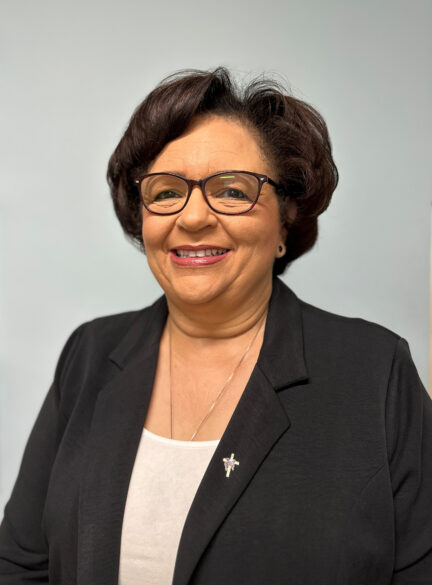
By Dr. Fran Lavelle, D. Min.
Simply put, change is inevitable. Whether we like it or not the Church is a microcosm of society, not the other way around. Tension comes when we are too focused on the past and unwilling to face the unknown future. There is a growing movement within the Church to return to the past. It is natural to long for the past, especially when it comes to things we find comfort in.
However, I am reminded of a good friend of mine from Starkville who would often say that the work of the Holy Spirit is constantly moving forward. When we long for the past by remembering simpler time, we must ask ourselves, “simpler for whom?”
Stepping into a new way of doing things always brings some cause for pause – or at least it should. Over the course of the past several years we have been re-evaluating how the offices of the Department of Faith Formation serve the people of God in the Diocese of Jackson.
If we are to be aware of the needs of God’s holy people, we need to listen first. Three synodal experiences in the last decade played a huge role in preparing for synodality and reimagining. They are – Christus Vivit (Francis, Pope, 2019), Fratelli Tutti (Francis, Pope, 2020), and Let Us Dream (Francis, Pope, 2022).
In October 2016 Pope Francis announced the Synod on Young People, Faith, and Vocational Discernment. The process culminated with writing an apostolic exhortation, Christus Vivit, (Christ Lives) to young people and all people of God. Christus Vivit was published in 2019.
I asked several of my co-workers in the chancery if they would be interested in reading the document together and meeting for coffee. I invited Bishop Kopacz to join us. Catholic schools, youth ministry, faith formation, and the bishop’s office were on board. The Literati was formed. Processing the outcomes but also the structure of Christus Vivit was my first encounter with an intentional synodal process. As it turned out it was not my last.
From our gatherings we decided to focus on the outcomes of Christus Vivit for our diocesan Fall Faith Formation Day in August that year. Sharing the document and the spirit of that synod was another foreshadowing of the work I would undertake in the Synod on Synodality a few years later.
The second experience with Pope Francis’ synodal way came with the publication of the encyclical letter, Fratelli Tutti on Fraternity and Social Friendship in October 2020. We gathered the Literati again and embarked on yet another journey into the heart and mind of Pope Francis. The timing of this encyclical given the backdrop of COVID-19 and the unimaginable social unrest was intended to call humanity to unity. The impact of the letter was short lived, but it was foundational in developing my understanding of Pope Francis’ pontificate and his vision for the Church.
“You become a person only when you are capable of standing open to all the gifts which are prepared for you.” – Henri Nouwen
The third gathering of the Literati was in February 2021 for the book, Let Us Dream: The Path to a Better Future, published in December 2020. By far the most difficult of the three documents we had read together, Let Us Dream focused on the reality of our brokenness.
Pope Francis, as was his style, did not shy away from difficult issues like the divisiveness of our politics, the disparities in healthcare seen around the globe with the raging pandemic, and the grip that the sin of racism still has on so many in the Church. While Pope Francis exposed our disturbing reality, he also offered hope. In Let Us Dream, he refers to the events that occur “at the crossroads of life, at moments of openness, fragility, and humility, when the ocean of [God’s] love bursts the dams of our self-sufficiency, and so allows for a new imagination of the possible.” It was that hope that fueled the processes the diocese has undertaken since the Synod on Synodality.
Because we have witnessed and embraced the crossroads of life, reimagining has been made possible. The Bishop William R. Houck Center for Lay Formation is one example of synodal listening and embracing a new direction. So too the reimagined Pastoral Ministries Workshop has taken us from a way of being that served the Church for over twenty years to a new format that is designed to address the current reality of parish formation leaders.
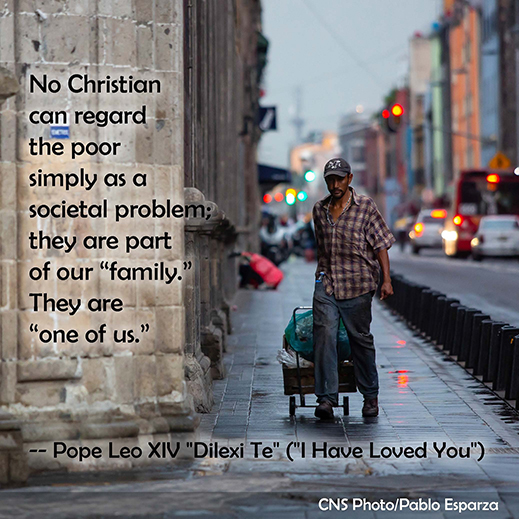
Pope Leo said it best, “For where there is the Spirit, there is movement, a journey to be made. We are a people on the move” Vatican, Homily of the Holy Father Leo XIV, Vigil of Pentecost, 7 June 2025. Let’s continue to move forward – together.
(Dr. Fran Lavelle is the director of faith formation for the Diocese of Jackson.)